

Cover glass is the outer surface of many displays, touch panels and electronic interfaces, making it one of the parts most exposed to daily contact. Repeated touching, cleaning, friction and contact with other materials can gradually cause surface scratches.
While minor scratches may initially seem like a cosmetic issue, surface damage can also affect how glass looks and performs over time. For manufacturers selecting cover glass, scratch resistance is therefore an important consideration alongside optical, mechanical and dimensional requirements.
Aluminosilicate glass is used in a range of cover glass applications where a combination of strength, optical quality and durability is required. Understanding the relationship between scratch resistance and cover glass performance can help manufacturers select a suitable glass specification for their products.
The surface of cover glass is directly exposed to users and the surrounding environment. Unlike internal glass components, it may experience repeated physical contact throughout the product's service life.
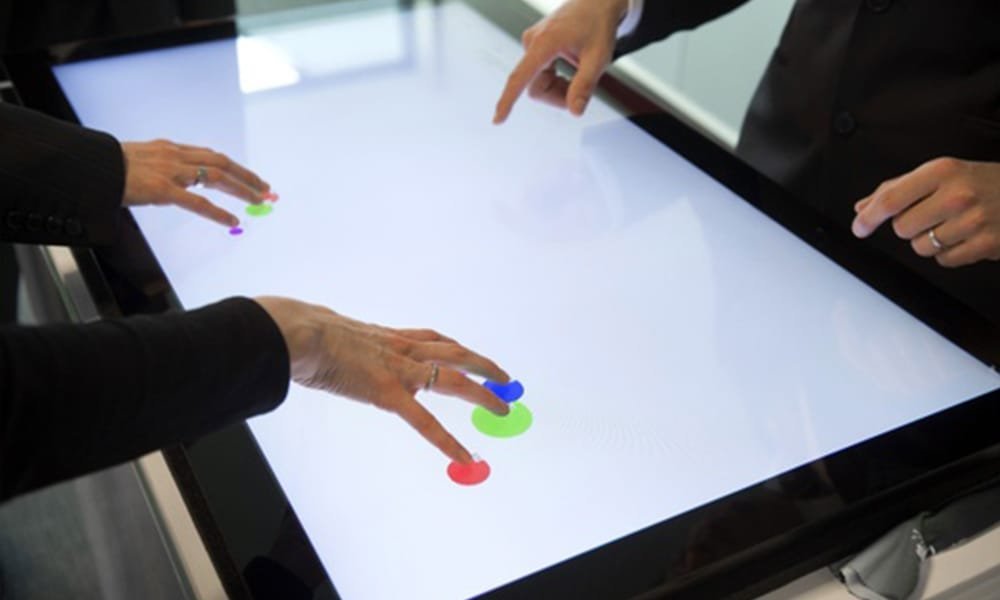
Scratches can gradually change the appearance of a glass surface. Fine marks may become more noticeable as the surface experiences repeated contact, cleaning and friction.
For products with visible displays or control interfaces, maintaining a smooth and clean-looking surface can be important to the overall appearance and perceived quality of the finished product.
This is particularly relevant for industrial displays, automotive interfaces, electronic equipment and touch control panels.
Cover glass is often positioned directly in front of a display, so its surface condition can influence the viewing experience.
A clear, well-maintained surface helps light pass through the cover glass with minimal visual disturbance. As scratches and other surface defects accumulate, they may become more visible under certain lighting conditions and viewing angles.
For display applications, manufacturers should therefore consider scratch resistance together with optical requirements such as transparency, light transmission and surface reflection.
Cover glass may be touched, wiped and cleaned many times during the life of a product. Repeated surface contact can gradually contribute to wear.
Good resistance to surface damage can help the glass maintain its appearance and usability during repeated use. However, the actual durability of a finished cover glass depends on more than scratch resistance alone and should be evaluated according to the complete application requirements.
Understanding the practical effects of scratches is more useful than looking at scratch resistance as an isolated specification.
For a display or touch panel, scratches are located directly in the user's viewing path.
Depending on their size, depth and location, surface scratches can become visible when light reflects from the glass. They may create localized visual distractions and can reduce the perceived clarity of the surface, particularly under bright or uneven lighting.
For applications such as industrial monitoring displays and automotive interfaces, maintaining a consistent viewing surface can therefore be an important consideration.
Touch interfaces rely on frequent interaction between the user's fingers and the glass surface.
A smooth and durable surface can provide a consistent touch experience. As surface wear increases, scratches and scuff marks can change the feel and appearance of the interface.
For this reason, manufacturers of touch panels may consider surface durability together with factors such as glass thickness, surface finish and strengthening when specifying cover glass.
A single minor scratch may have little practical effect. However, repeated contact over an extended period can result in a greater number of visible marks.
For products where appearance is important, controlling surface wear can help maintain a consistent finish throughout use.
This can be especially relevant for equipment with frequently used control panels, displays or exposed glass surfaces.
It is also important to distinguish scratch resistance from impact resistance. Scratch resistance relates primarily to resistance against surface damage caused by contact or abrasion, while impact resistance concerns the ability of glass to withstand mechanical impact. A cover glass specification should take both requirements into account when relevant.
Aluminosilicate glass can be considered for cover glass applications because its material characteristics can support demanding combinations of optical and mechanical requirements.
The final performance of aluminosilicate cover glass depends on factors such as glass composition, thickness, processing and any strengthening or surface treatment applied to the glass.
Cover glass needs to withstand the mechanical conditions associated with its intended application.
Aluminosilicate glass can provide a high-strength material option for applications where thinness and mechanical performance are both important considerations.
The appropriate glass thickness and strengthening process should be selected based on the dimensions, structure and operating conditions of the finished product.
The durability of a glass surface is influenced by the material itself as well as by processing and surface treatment.
For applications exposed to frequent contact or cleaning, manufacturers may evaluate the surface durability of the glass as part of the overall material selection process.
Rather than relying on a single property, it is generally better to evaluate scratch resistance together with mechanical strength, optical performance and the expected environment.
Chemical strengthening is one method that may be used to improve the mechanical performance of certain glass materials.
The process creates a compressive stress layer near the glass surface, which can improve resistance to certain forms of mechanical damage.
Whether chemical strengthening is appropriate depends on the glass composition, thickness and requirements of the final application. It should therefore be considered as part of the complete glass specification rather than as a standalone solution for scratch resistance.
Scratch resistance is an important consideration, but it should not be the only factor used to select cover glass.
For OEM and industrial applications, manufacturers should evaluate the glass according to the actual requirements of the finished product.
Glass thickness should be selected according to the required mechanical performance, product structure and overall design.
Dimensions and shape are equally important for applications where the glass needs to fit precisely into a display, control panel or equipment housing.
Depending on the product design, manufacturers may require custom:
Glass thickness
Length and width
Shapes
Corner radii
Holes
Cut-outs
Notches
For display applications, optical performance should be defined before production.
Depending on the application, requirements may include:
Transparency
Light transmission
Surface reflection
Visual clarity
Surface finish
These requirements should be considered alongside the display technology and expected viewing environment.
The final surface specification can influence both appearance and functional performance.
Depending on the application, manufacturers may evaluate requirements such as:
Surface treatment
Strengthening
Edge processing
Drilling
Cutting
Polishing
The specific processing requirements should be determined according to how the glass will be installed and used.
The environment in which the cover glass will be used can also affect material selection.
Manufacturers may need to consider:
Temperature changes
Repeated cleaning
Mechanical contact
Chemical exposure
Humidity
Frequency of use
A glass specification suitable for one application may not be appropriate for another, even when both products use cover glass.
OEM products often require cover glass that matches specific dimensions, structures and performance requirements rather than a standard glass size.
Custom aluminosilicate cover glass can be specified according to the requirements of different display, touch panel and control interface applications.
When requesting a custom glass solution, providing information such as the required dimensions, thickness, shape, application, processing requirements and operating environment can help the manufacturer evaluate the appropriate specification.
For manufacturers developing a new product, discussing glass requirements at an early stage can also help align the cover glass specification with the structure and performance requirements of the finished equipment.
Scratch resistance plays an important role in the performance and appearance of aluminosilicate cover glass. Surface scratches can become visible over time and may affect optical clarity, surface appearance and the overall user experience of displays and touch interfaces.
However, scratch resistance should be considered as part of a broader glass specification. Thickness, mechanical strength, optical requirements, surface treatment, processing and operating conditions can all influence the suitability of cover glass for a particular application.
For industrial displays, touch panels, automotive interfaces and other OEM applications, aluminosilicate glass can be considered when a combination of optical quality, mechanical performance and surface durability is required.
Looking for aluminosilicate cover glass for a display, touch panel or control interface?
Contact Us
Send us your required dimensions, thickness, application and processing requirements to discuss a suitable custom glass solution.
